Introduction
Stab proof vests have become essential protective equipment for law enforcement, security professionals, and individuals working in high-risk environments. This comprehensive guide covers everything you need to know about selecting, wearing, and maintaining your stab protection gear in 2026.
What Is a Stab Proof Vest?
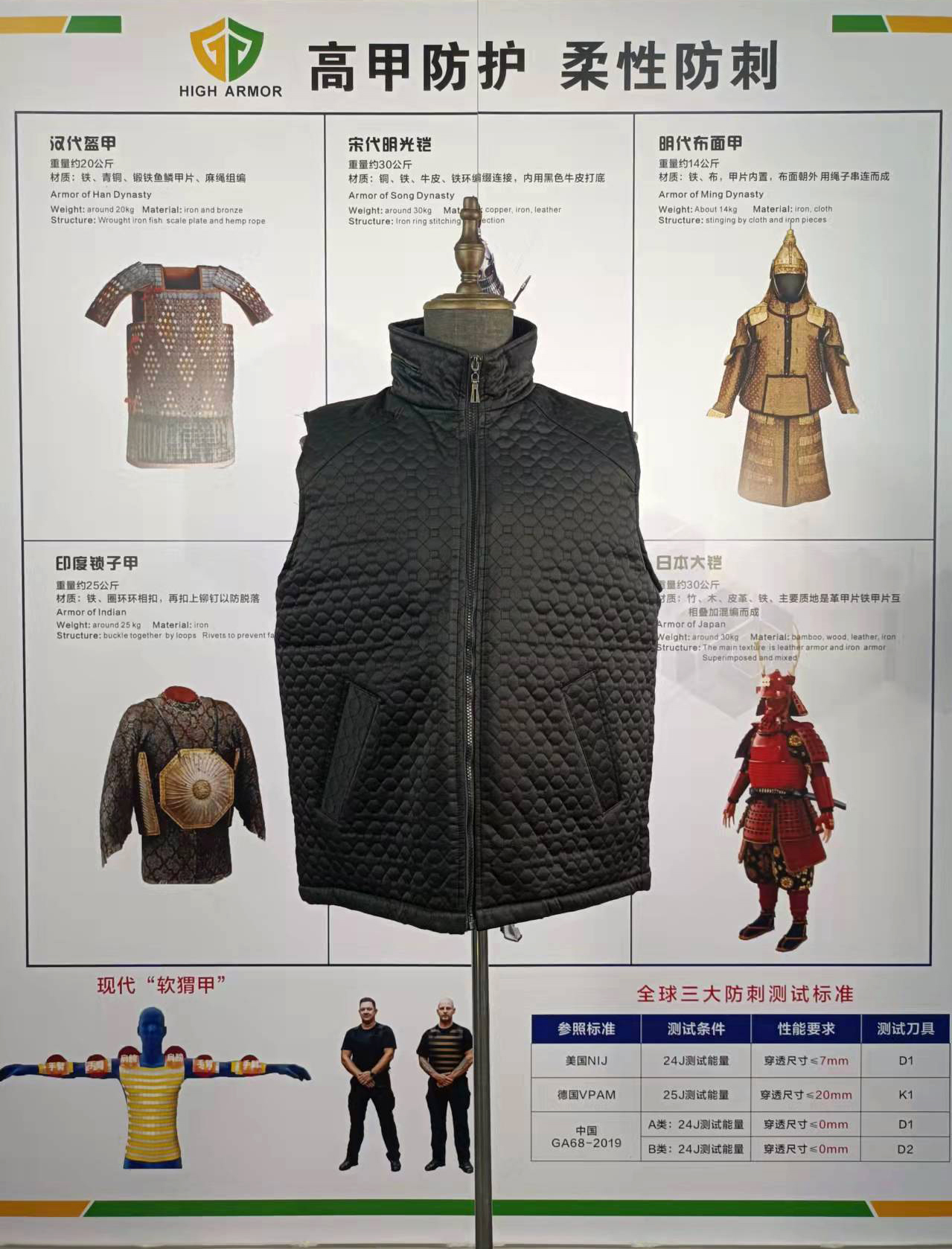
A stab proof vest is a piece of personal protective equipment designed to resist penetration from edged weapons such as knives, needles, and other sharp objects. Unlike bulletproof vests, which are designed to stop projectiles, stab vests are specifically engineered to prevent puncture wounds from thrusting attacks.
Modern stab vests use advanced flexible materials that provide protection while allowing freedom of movement and comfort during extended wear.
Protection Levels Explained
Stab resistant vests are rated according to international standards:
- KR1 (24 Joules) - Basic protection suitable for low-risk environments and general security duties
- KR2 (36 Joules) - Intermediate protection, the most common choice for professional security
- KR3 (43 Joules) - Maximum protection for high-risk operations and law enforcement
Key Features to Consider
When selecting a stab proof vest, consider these essential features:
1. Coverage Area
The vest should provide adequate coverage of vital organs. Full front and back coverage is standard, with some models offering side protection as well.
2. Concealability
If you need to wear the vest under clothing, look for low-profile designs that won't print through shirts or uniforms.
3. Comfort and Breathability
For all-day wear, moisture-wicking liners and breathable materials are essential. Consider the climate you'll be working in.
4. Weight
Lighter vests reduce fatigue during long shifts. Modern materials have made significant advances in reducing weight without sacrificing protection.
Proper Fit and Sizing
A properly fitting vest is crucial for both protection and comfort. The vest should:
- Cover from the collarbone to the navel area
- Fit snugly without restricting breathing
- Allow arm movement without riding up
- Stay in position during physical activity
Maintenance and Care
To ensure your vest provides maximum protection throughout its lifespan:
- Store flat in a cool, dry place away from direct sunlight
- Clean the outer shell according to manufacturer instructions
- Inspect regularly for signs of wear or damage
- Replace according to manufacturer guidelines (typically 5 years)
Conclusion
Choosing the right stab proof vest requires understanding your specific needs, the protection levels available, and the features that matter most for your situation. By considering coverage, concealability, comfort, and proper fit, you can select a vest that provides reliable protection without compromising your ability to perform your duties.
For personalized recommendations, contact our team or request a quote for your organization's needs.